AI Innovations in Healthcare: Reimagining Care from Digital Front Door to Drug Discovery
Every few decades, technology reshapes the foundation of healthcare. We saw it when electronic medical records replaced paper charts and again when mRNA redefined how we think about vaccines. Today, that seismic shift is being driven by artificial intelligence. Across clinics, labs, and trial sites, AI isn’t just crunching data — it’s rewiring how medicine…


Every few decades, technology reshapes the foundation of healthcare. We saw it when electronic medical records replaced paper charts and again when mRNA redefined how we think about vaccines. Today, that seismic shift is being driven by artificial intelligence. Across clinics, labs, and trial sites, AI isn’t just crunching data — it’s rewiring how medicine is practiced, how drugs are developed, and how patients experience care.
In the last year alone, over 22% of healthcare organizations have implemented domain-specific AI tools — a sevenfold increase from 2023. That statistic, from Menlo Ventures’ 2025 State of AI in Healthcare, signals a tipping point: what was once experimentation is fast becoming infrastructure.
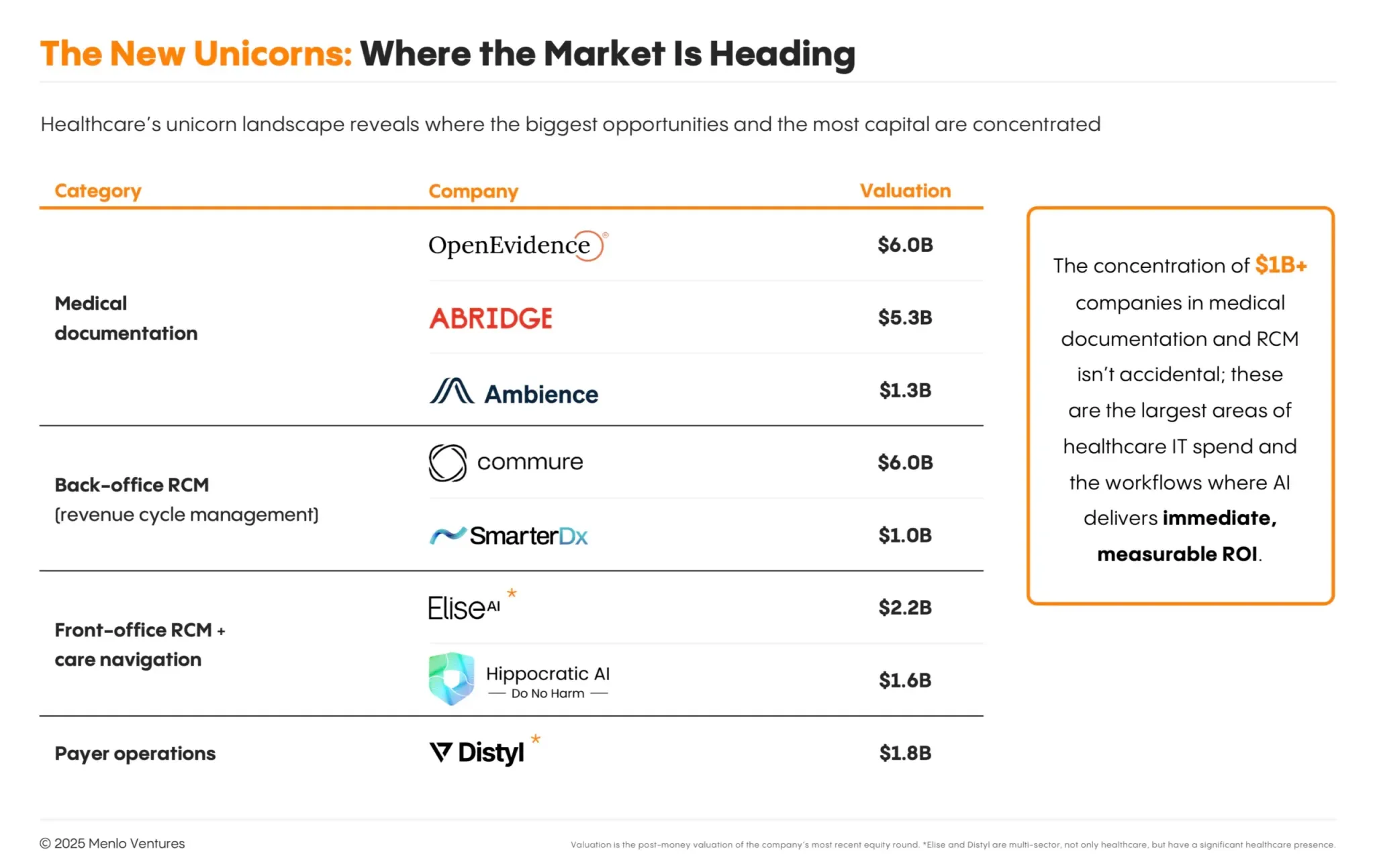
Companies like Abridge and OpenEvidence in documentation, and Commure and Smarter Technologies in back-office RCM, are competing for large pools of existing IT spend, not by replacing healthcare IT giants like Epic or Waystar, but by augmenting them with automation that reduces required human clinical and administrative labor.
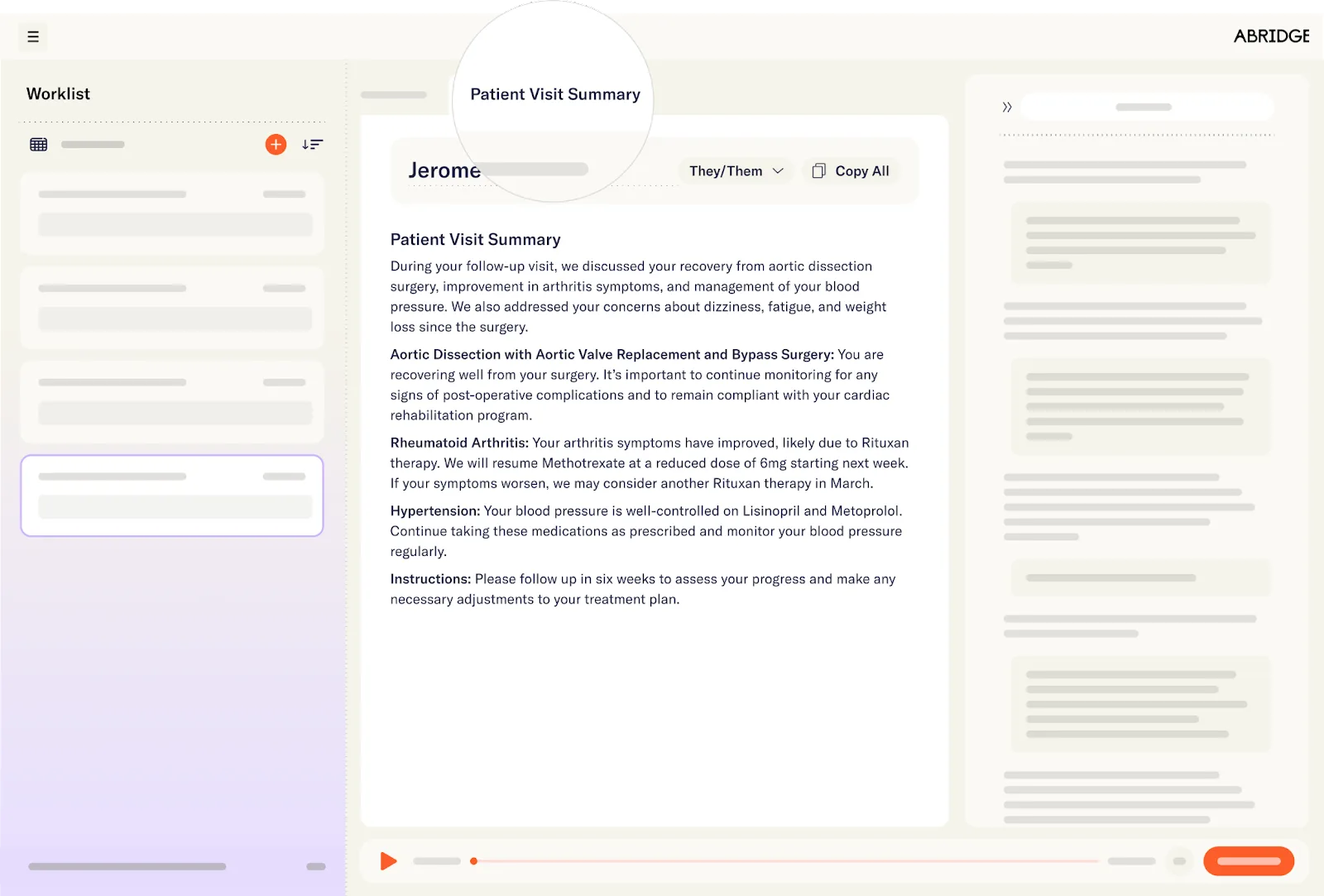
Last year, Kaiser Permanente quietly deployed an AI assistant called Abridge to record and summarize patient encounters. Within months, physicians had reclaimed over 15,000 hours of documentation time, and patients said their doctors were “looking at them, not their laptops.” It was a subtle but powerful signal that AI could make medicine more human, not less.
The Potential of Digital Health
The idea of “digital health” has matured from apps and wearables into an ecosystem where AI acts as a connective tissue between patients, providers, and life-science innovators.
Take the digital front door — AI-powered triage systems that understand natural language, assess symptoms, and direct patients to the right level of care. These tools are quietly transforming patient flow, reducing unnecessary ER visits and speeding up access to treatment.
AI is attacking this across the entire patient journey.
Consumer wellness companies like Function Health, Ash, and SuppCo help people take control of their own health through biomarker & lifestyle monitoring, tracking, and always-available engagement.
AI triage platforms like Doctronic, Counsel Health, Torch Health, and Roon assess symptoms conversationally and route patients to the appropriate level of care.
Scheduling automation solutions like Assort Health, Hello Patient, and Clarion eliminate manual appointment booking and patient triage.
Care navigation platforms like Hippocratic AI, Ellipsis Health, Kouper Health, Ferry Health, and Solace Health manage ongoing patient communication—calling with results, scheduling follow-ups, answering questions, and coordinating care transitions.
Behind the scenes, AI scribes such as Abridge and Nuance DAX are reclaiming hours of clinician time each week. According to Menlo Ventures, ambient documentation has become one of the fastest-growing AI segments in healthcare, expanding faster than any other operational use case. For physicians, that means fewer clicks and more eye contact with patients — a subtle but profound shift in the emotional texture of care.
At Johns Hopkins Hospital, an in-house AI known as Targeted Real-Time Early Warning System now monitors vital signs for more than 30,000 inpatients a year. When the algorithm detects patterns that suggest sepsis, it pings clinicians an average of six hours before symptoms appear. Mortality from sepsis has dropped by nearly 20 percent, a statistic that turns machine learning into a lifesaving colleague.
Meanwhile, revenue-cycle automation and prior-authorization agents are attacking the administrative bottlenecks that cost the U.S. health system billions every year. Menlo reports that the prior-authorization AI market grew tenfold in a single year. It’s the unglamorous side of AI adoption — the kind that doesn’t make headlines but pays the bills and proves immediate ROI.
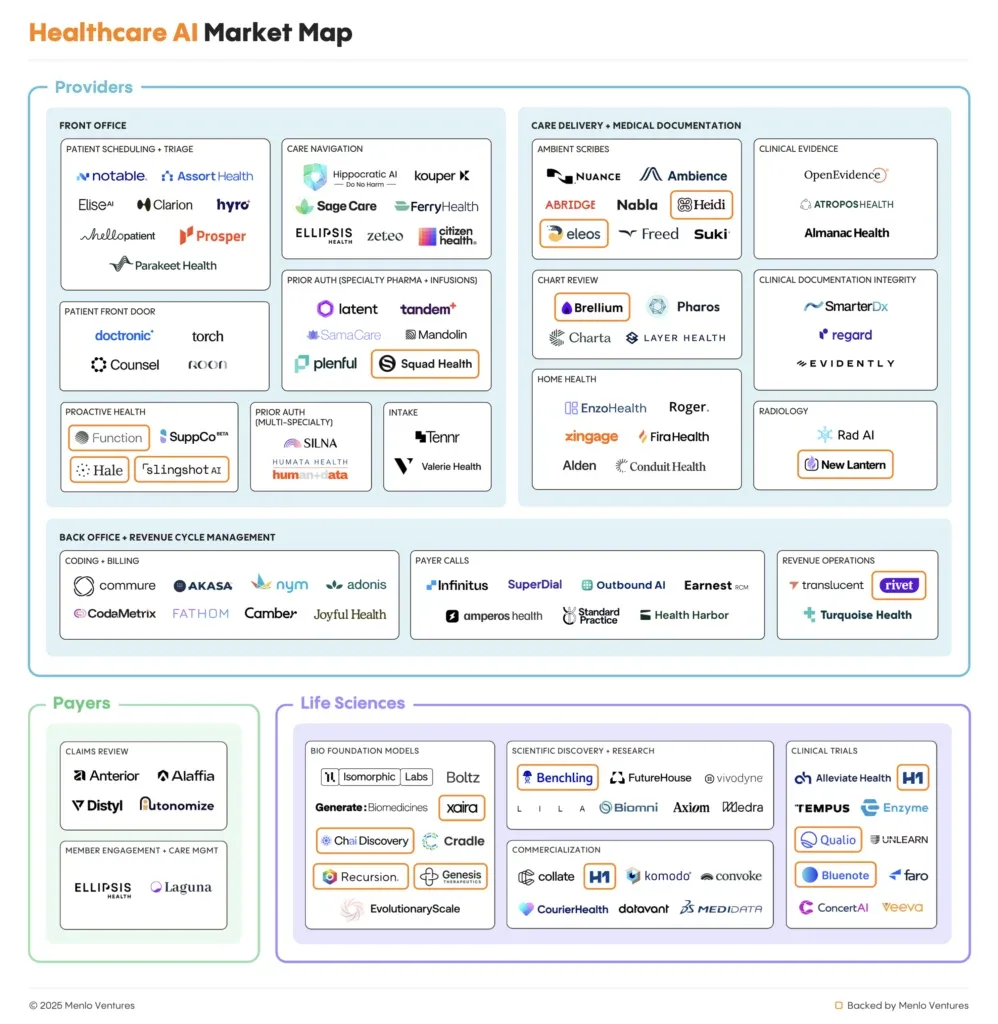
Across the ecosystem, AI is moving from promise to practice: automating clinician workflows (Brellium, Eleos Health, Heidi, New Lantern, Particle Health, Rivet, Squad Health); improving care delivery (Function Health, Solace, Delfi, Ophelia, Cartwheel, Ash, Colla Health); reinventing drug discovery (Recursion, Xaira, Chai Discovery, Genesis Therapeutics, Vilya); and accelerating life sciences platforms (Benchling, H1, Bluenote, Qualio).
Beyond the Clinic: AI at the Brain-Machine Interface
The most profound human-AI integration is happening at the brain-machine interface. Brain-computer interfaces (BCIs) powered by deep learning are enabling paralyzed patients to control robotic limbs and digital devices through thought alone—transforming what was once science fiction into clinical reality.

Restoring Movement: In March 2025, UCSF researchers enabled a paralyzed stroke patient to control a robotic arm for a record seven months without requiring recalibration—a breakthrough enabled by AI models that adapt to neural changes as the brain learns refined movements. The patient successfully picked up blocks, opened cabinets, and operated a water dispenser using only imagined movements. Meanwhile, Neuralink expanded to seven implanted patients by mid-2025, with recipients achieving 40 words per minute on virtual keyboards—matching able-bodied performance. In one breakthrough session, ALS patient Nick Wray used Neuralink's implant to control a robotic arm through three eight-hour sessions, performing everyday tasks like microwaving food.
Restoring Speech: The most accurate speech BCI system to date comes from UC Davis researchers, achieving 97% accuracy translating brain signals to speech, work that won a 2025 Top Ten Clinical Research Achievement Award after publication in the New England Journal of Medicine. ALS patient Casey Harrell communicated his intended speech within minutes of activation; after training, the system maintained 90.2% accuracy with a 125,000-word vocabulary. Separately, Synchron's minimally invasive Stentrode device—inserted via blood vessels rather than open surgery—enabled an ALS patient named Mark to control Apple Vision Pro, play solitaire, and send text messages hands-free using only his thoughts, with broader Apple device integration planned for late 2025.
The Global Race: China's NEO BCI system launched large-scale clinical trials in 2025, recruiting 30-50 spinal cord injury patients across 10 medical centers nationwide. The semi-invasive approach places electrodes outside brain tissue, reducing surgical risk. Early patients achieved ambulatory recovery within 72 hours post-implantation, with some able to get out of bed and sit in wheelchairs by day three. This aggressive timeline reflects China's Brain-Computer Interface Industry Cultivation Plan (2025–2030), which prioritizes rapid medical translation alongside governance frameworks.
Commercial Momentum: Neuralink received FDA Breakthrough Device Designation for its speech restoration module in April 2025, accelerating regulatory pathways. The company closed a $650 million funding round in June 2025 and plans to enroll 20-30 patients globally by year-end, expanding trials to the UK, Canada, Germany, and UAE. Competitor Paradromics completed its first human implant in June 2025, signaling intensifying competition in the emerging BCI market.
This represents AI's ultimate frontier in healthcare—not just analyzing biological signals, but creating direct pathways for human intention to control the physical and digital world. It's a reminder that AI in medicine isn't just about efficiency; it's about restoring fundamental human capabilities.
Clinical Trials and Drug Discovery
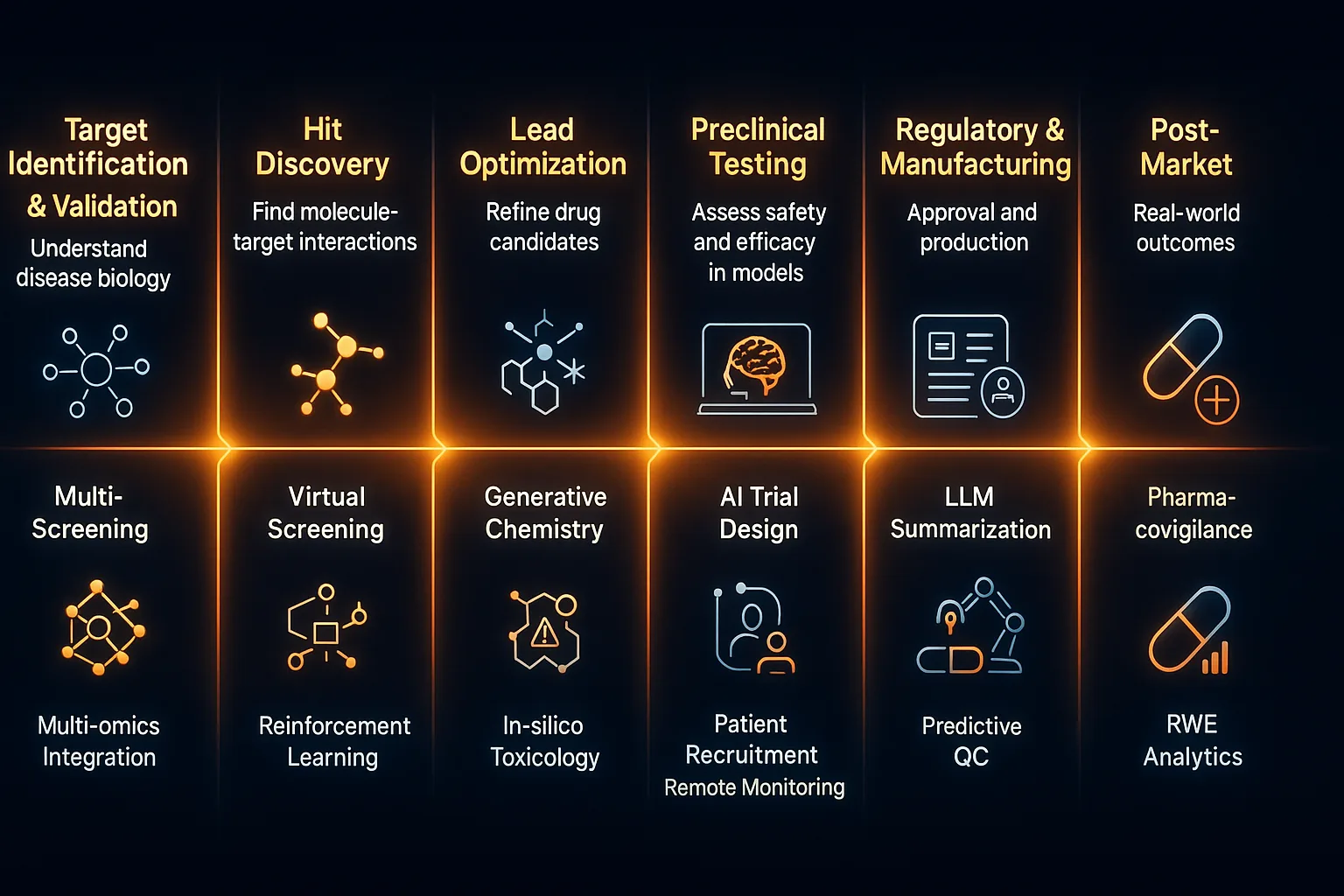
AI is reshaping the entire drug development lifecycle — from how we identify new disease targets to how clinical trials are designed and executed. What once took years of trial-and-error is increasingly becoming a continuous, data-driven feedback loop connecting molecule design, preclinical testing, and patient outcomes. Below is a stage-by-stage look at where AI is already making measurable impact — and who’s leading the charge.
1. Target Identification & Validation
Goal: Find the biological targets that drive disease.
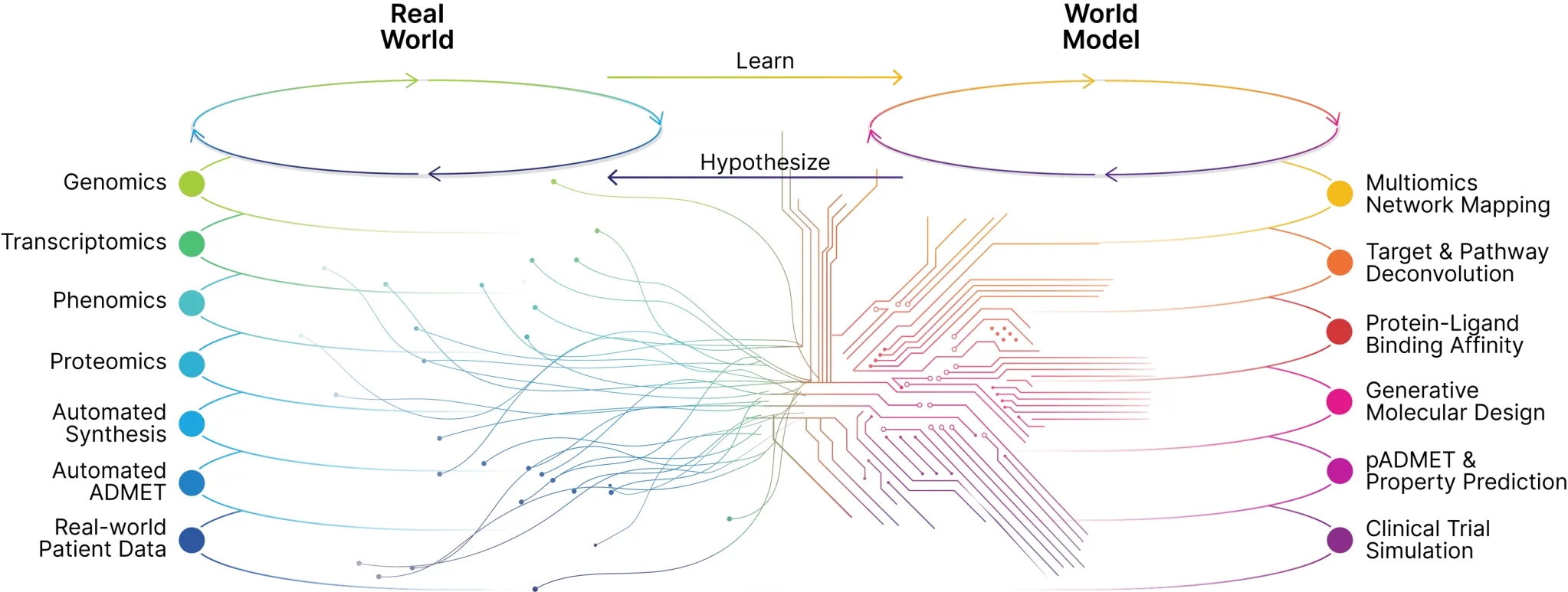
AI now enables scientists to mine vast multi-omic datasets — genomics, proteomics, transcriptomics — and identify novel drug targets that human intuition alone might miss.
Key Players: Recursion Pharmaceuticals, Insilico Medicine, BenevolentAI
How AI Helps: ML models integrate experimental data with literature and knowledge graphs to reveal hidden disease mechanisms and target-pathway connections.
Use Case: Recursion’s AI-driven platform (Recursion OS) screens over 2.2 million cellular images weekly, identifying phenotype–compound relationships that led to its first clinical-stage candidate for a rare neurofibromatosis disorder — cutting discovery time by nearly half.
2. Hit Discovery & Lead Generation
Goal: Find molecules that bind and modulate those targets.
Traditionally, pharma companies ran wet-lab high-throughput screening — testing millions of compounds physically. Now AI performs virtual screening in silico, using deep learning to predict binding affinity and optimize candidates before synthesis.
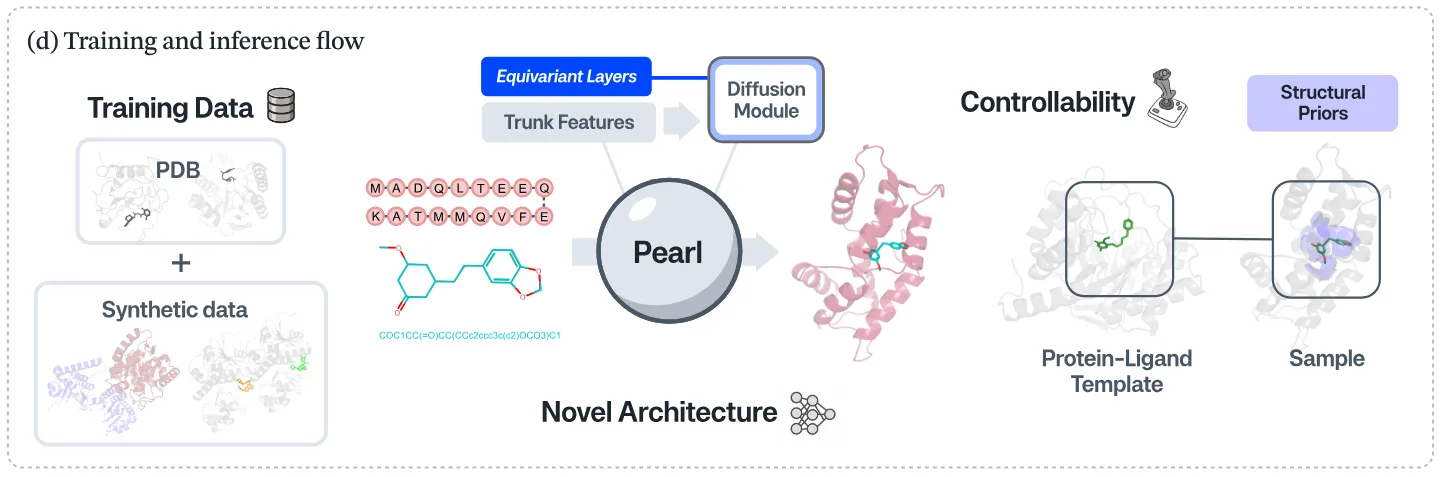
Key Players: Xaira Therapeutics, Genesis Therapeutics, Chai Discovery, Atomwise
How AI Helps: Generative AI models propose new chemical structures and simulate protein–ligand interactions with atomic precision.
Use Case: Genesis Therapeutics’ new foundation model, Pearl, vastly improves protein–ligand binding predictions—reportedly up to 40% better than the benchmark model AlphaFold 3 on key datasets.
This advancement means that drug-discovery teams can more reliably simulate how a small molecule binds a target protein—a major bottleneck in designing effective drugs. In real-world terms, that accelerates the hit-to-lead cycle: fewer wasted experiments, faster design, and a shorter path from hypothesis to candidate.
3. Lead Optimization
Goal: Refine lead molecules for potency, selectivity, and safety.
AI now runs millions of “what if” experiments digitally, balancing potency and toxicity across dozens of chemical modifications — a process that once required months of iterative lab work.
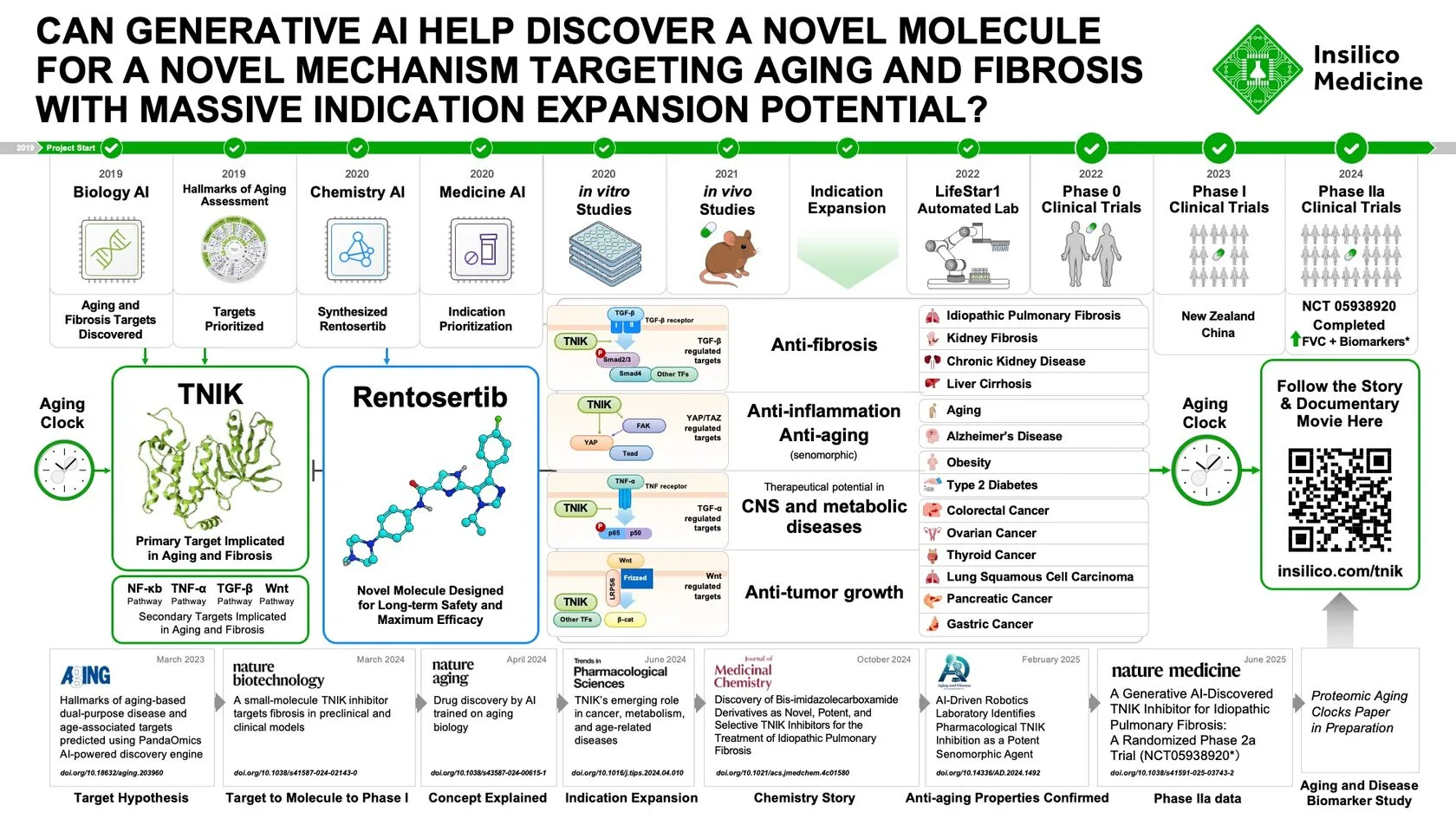
Key Players: Exscientia, Insilico Medicine, Genesis Therapeutics, Xaira Therapeutics
How AI Helps: Reinforcement learning models and predictive toxicology simulations guide chemists to make better compounds with fewer lab cycles.
Use Case: Insilico’s generative-AI platform enabled a dramatic acceleration: from target discovery through lead generation to a first-in-human molecule in about half the usual timeline. AI-designed drug Rentosertib (ISM001-055) improved lung-function by 98.4 mL in a 71-patient Phase 2a study in idiopathic pulmonary fibrosis (IPF) — a molecule discovered via Insilico’s Pharma.AI platform.
4. Preclinical Testing
Goal: Evaluate drug safety and efficacy in cellular and animal models.
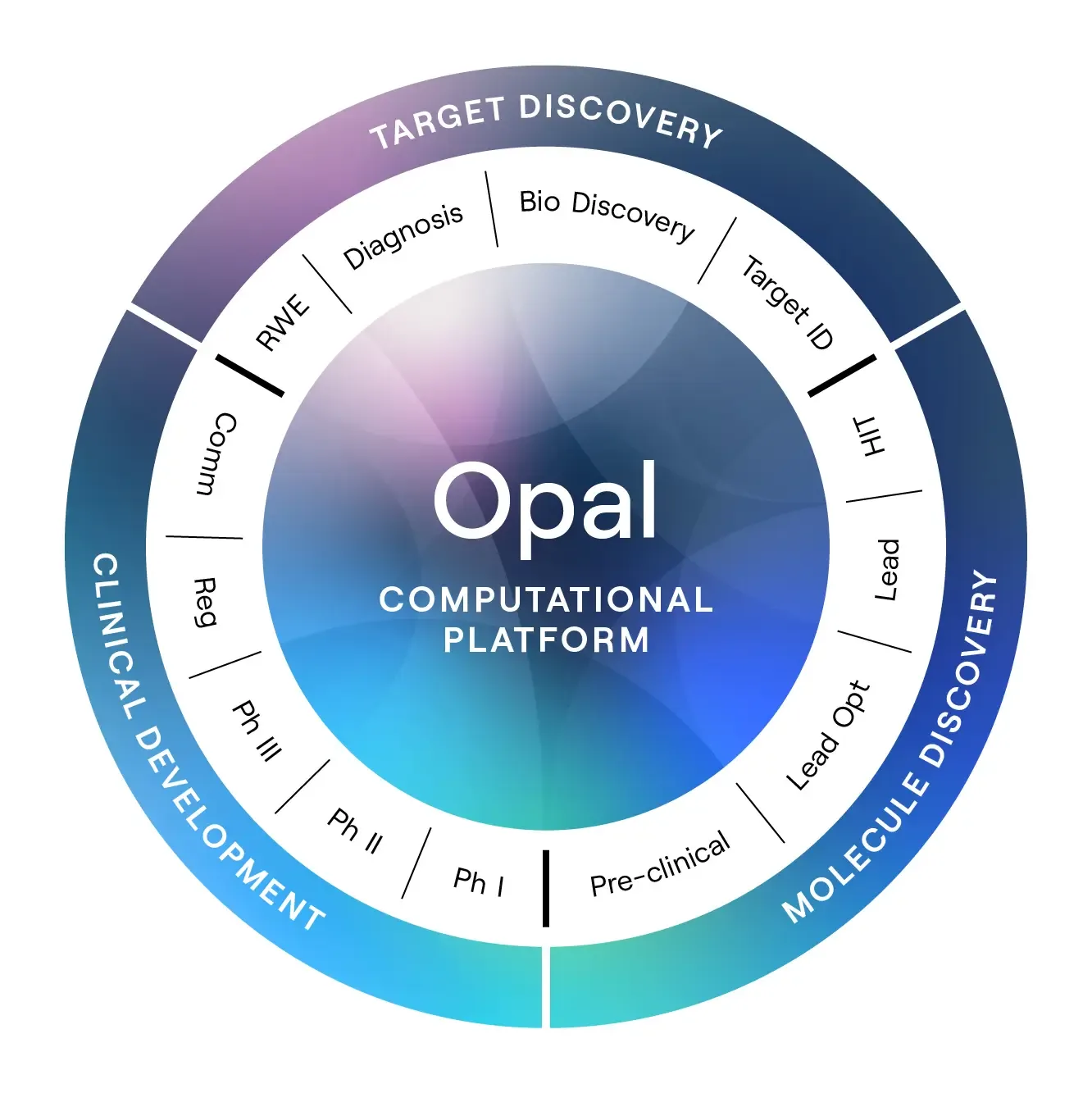
AI reduces costly attrition by predicting outcomes before a single mouse study begins. Deep learning models simulate toxicity, model disease progression, and even replace animal testing with virtual organ twins.
Key Players: Valo Health, Recursion Pharmaceuticals, AstraZeneca AI Safety
How AI Helps: In-silico models predict cardiotoxicity or hepatotoxicity early, and AI-analyzed pathology images detect microscopic side effects that humans might overlook.
Use Case: Valo Health’s “Opal Computational Platform” used machine learning on on multi-omic and patient-derived datasets to identify novel immune and neuronal pathways involved in Parkinson’s disease. In 2025, Valo received a grant from the Michael J. Fox Foundation to apply its AI-driven biology engine to uncover optimal strategies for modulating the NOD2 gene — a promising new target believed to influence disease progression and severity. (Valo Health Press Release, Sept 2025)
The collaboration demonstrates how AI platforms can go beyond data mining to guide preclinical hypothesis generation in neurodegenerative disorders — effectively shortening the path from genomic insight to target validation.
5. Clinical Trials (Phases I–III)
Goal: Test drugs safely and efficiently in human populations.
AI brings intelligence into trial design, patient recruitment, and monitoring. By predicting which sites will enroll fastest or which patients will respond best, companies can shorten trials and reduce costs dramatically.
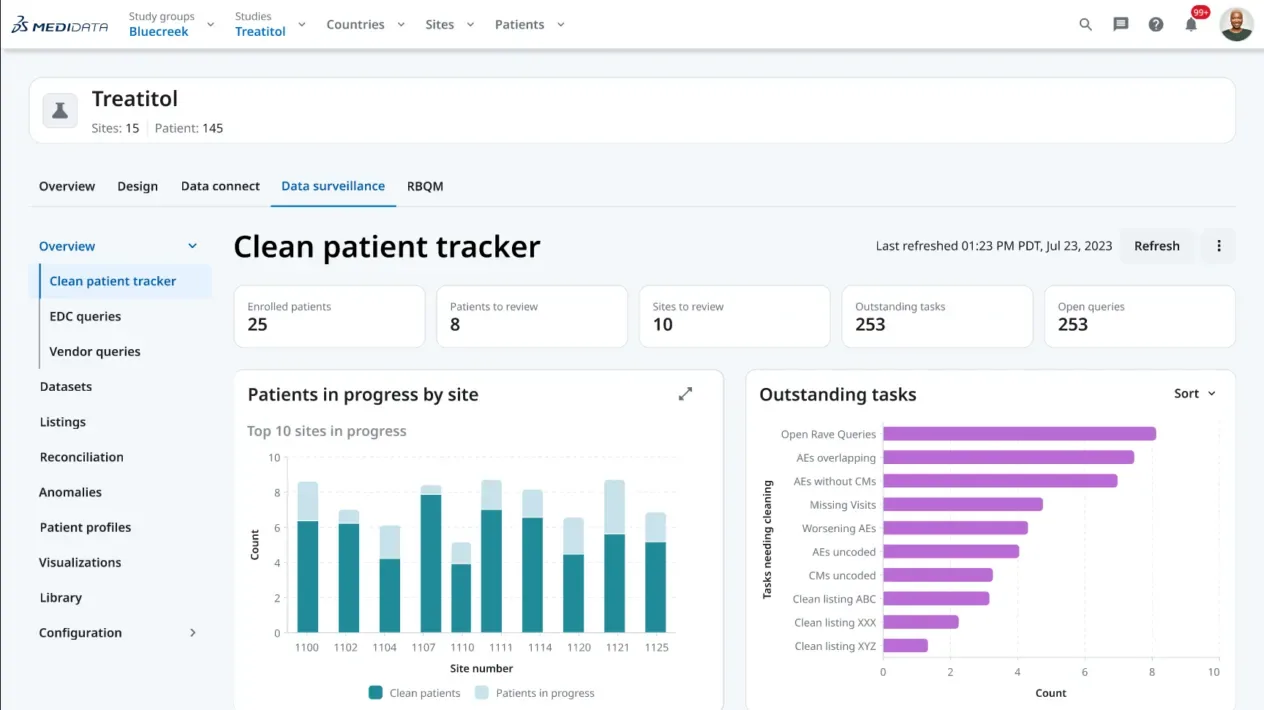
Key Players: Evinova, Deep 6 AI, Unlearn.AI, Medidata AI
How AI Helps: Predictive models simulate trial outcomes before they start, optimize protocols, and use NLP to match real patients to inclusion criteria.
Use Case: Medidata AI’s analytics engine applies machine learning to one of the world’s largest clinical-trial datasets — spanning over 36,000 studies and 11 million patients — to forecast patient enrollment rates, optimize site selection, and identify protocol risks before trials begin. By leveraging these predictive insights, sponsors have reported reducing trial-build times by up to 75 percent and significantly improving enrollment accuracy.
6. Regulatory & Manufacturing
Goal: Prepare regulatory submissions and scale safe production.
AI automates complex document workflows, ensures quality control in manufacturing, and predicts equipment failures before they happen.
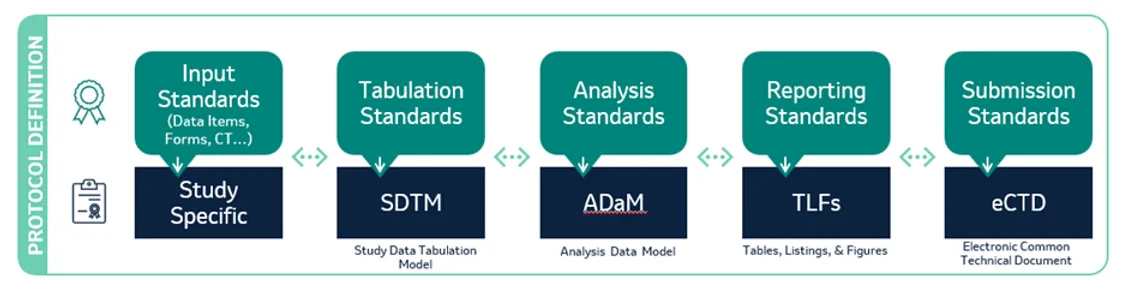
How AI Helps: LLMs summarize clinical reports, detect data inconsistencies, and optimize drug production lines for yield and compliance.
Use Case: Merck’s generative AI tool for clinical study reporting reduced writing time from 2–3 weeks → 3–4 days, freeing medical writers to focus on analysis while cutting document errors by half. Reference
7. Post-Market Surveillance & Real-World Evidence
Goal: Track drug performance and safety after approval.
Once a drug hits the market, AI continues to learn from real-world data (RWD) — mining EMRs, claims, and patient-reported outcomes to catch rare side effects or identify new indications.
Key Players: Flatiron Health (Roche), IQVIA, Aetion
How AI Helps: NLP and ML scan millions of health records to detect adverse events faster than traditional pharmacovigilance.
Use Case: Flatiron’s oncology AI models now extract treatment outcomes from EHRs to measure real-world progression-free survival, data that the FDA now accepts as regulatory-grade evidence for label expansion — a landmark shift for evidence generation.
The patient’s perspective is changing too. Remote monitoring tools built on machine learning models can detect subtle shifts in biometrics — a cough pattern, a sleep irregularity, a drop in lung capacity — that might precede an adverse event. In the I-SPY 2.2 breast cancer trial, Evinova and the Quantum Leap Healthcare Collaborative used AI-enabled monitoring to spot early signs of interstitial lung disease and alert clinicians before symptoms became dangerous. That’s not just operational efficiency; it’s safety redefined.
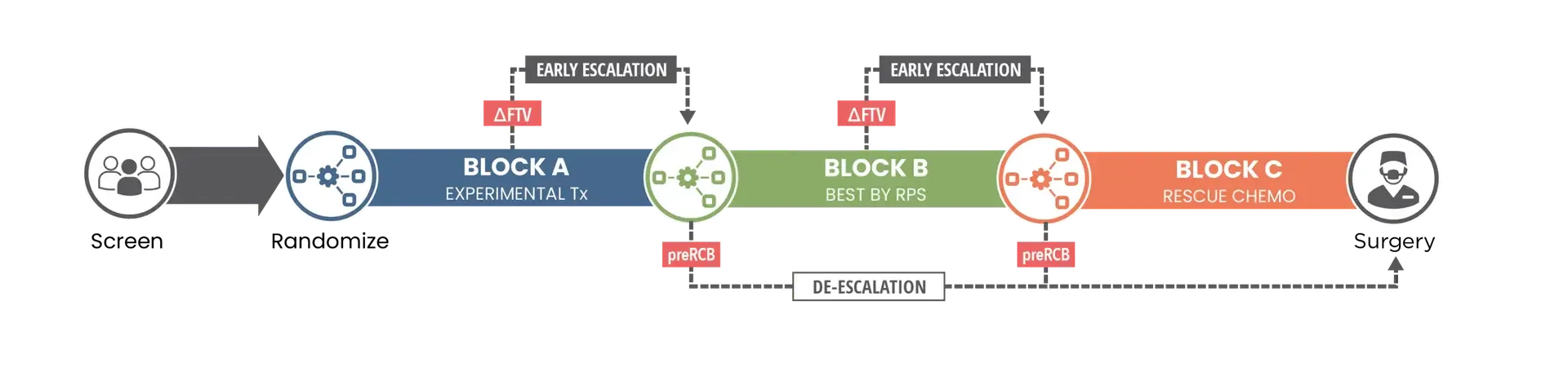
The promise is clear: shorter cycles, smarter designs, and trials that finally feel designed around humans, not paperwork.
The Technologies Powering the Shift
Beneath these advances lies an intricate technology stack — a combination of data engineering, cloud infrastructure, and AI systems that must operate under the unforgiving precision of healthcare regulation.
Data Foundations
Everything begins with data harmonization. At its core is a unified data foundation. Trials and discovery pipelines depend on harmonizing disparate data: EHRs, lab results, imaging, omics, sensor readings, and operational metrics. Standards such as FHIR, OMOP CDM, and CDISC SDTM are the lingua franca allowing systems to speak to one another. Without this foundation, AI remains a toy; with it, it becomes an engine of insight.
Machine Learning Engines
On top of the data layer sit machine-learning and analytics engines. Predictive algorithms forecast patient dropout risks, deep-learning networks analyse imaging and molecular structures, and large language models (LLMs) generate clinical summaries or trial documentation. Novartis and GSK are already fine-tuning proprietary models on their internal R&D data, while Eli Lilly is building an AI supercomputer with NVIDIA’s BioNeMo platform to accelerate protein-folding analysis.
MLOps and Cloud Infrastructure
Operational excellence matters as much as innovation. Using services like AWS SageMaker, Azure ML, and Google Vertex AI, models are trained, validated, and deployed through automated pipelines that log every version and output. In GxP-regulated environments, this traceability isn’t optional — it’s what makes AI auditable.
IoT and Edge AI
The rise of connected devices adds another dimension. Evinova supports more than 100 FDA-cleared instruments, from spirometers to ECG patches. Data captured at home is processed locally for latency and privacy before being streamed into centralized analytics. The result is a hybrid cloud-edge ecosystem where AI operates as both sentinel and analyst.
Security and Privacy
Finally, there’s security and privacy. Encryption, identity management, and zero-trust architectures are table stakes. Leaders like Roche and AstraZeneca have implemented Good Machine Learning Practice frameworks where every AI output can be traced back to its training data and validation set — an auditable lineage of trust. Each prediction or recommendation must be traceable back to its data source — not only for regulatory compliance but to maintain human trust.
Challenges: Governance, Responsible AI & Organizational Readiness
As AI becomes integral to patient care and clinical development, governance has evolved from checkbox compliance to strategic necessity.
At Mayo Clinic and Johns Hopkins Medicine, internal AI councils review every model touching clinical data. They track bias, accuracy, and drift, and require human-in-the-loop validation for high-risk decisions. Many of these frameworks are informed by the Coalition for Health AI (CHAI) guidelines, which have become the de facto playbook for responsible model deployment in U.S. healthcare.
In pharma, governance takes the form of Predetermined Change Control Plans (PCCP) filed with the FDA, allowing machine-learning systems to update safely without re-approval. Roche/Genentech pioneered such adaptive frameworks for pathology-AI models, proving that continuous learning can coexist with regulatory stability.

Equity and representation are emerging priorities. Algorithms trained on historic data can inadvertently under-serve under-represented populations. To counter this, companies like Pfizer and GSK are incorporating synthetic-data generation and subgroup-specific evaluation into their validation pipelines, ensuring that AI serves all patients, not just those most measured.
But governance isn’t only about risk mitigation. Done well, it builds confidence — among regulators, clinicians, and patients — that AI can be both innovative and safe.
The Path Forward
The next phase of AI in healthcare won’t be defined by prototypes but by production. Organizations that master operational AI — reliable, explainable, compliant — will move faster from idea to impact.
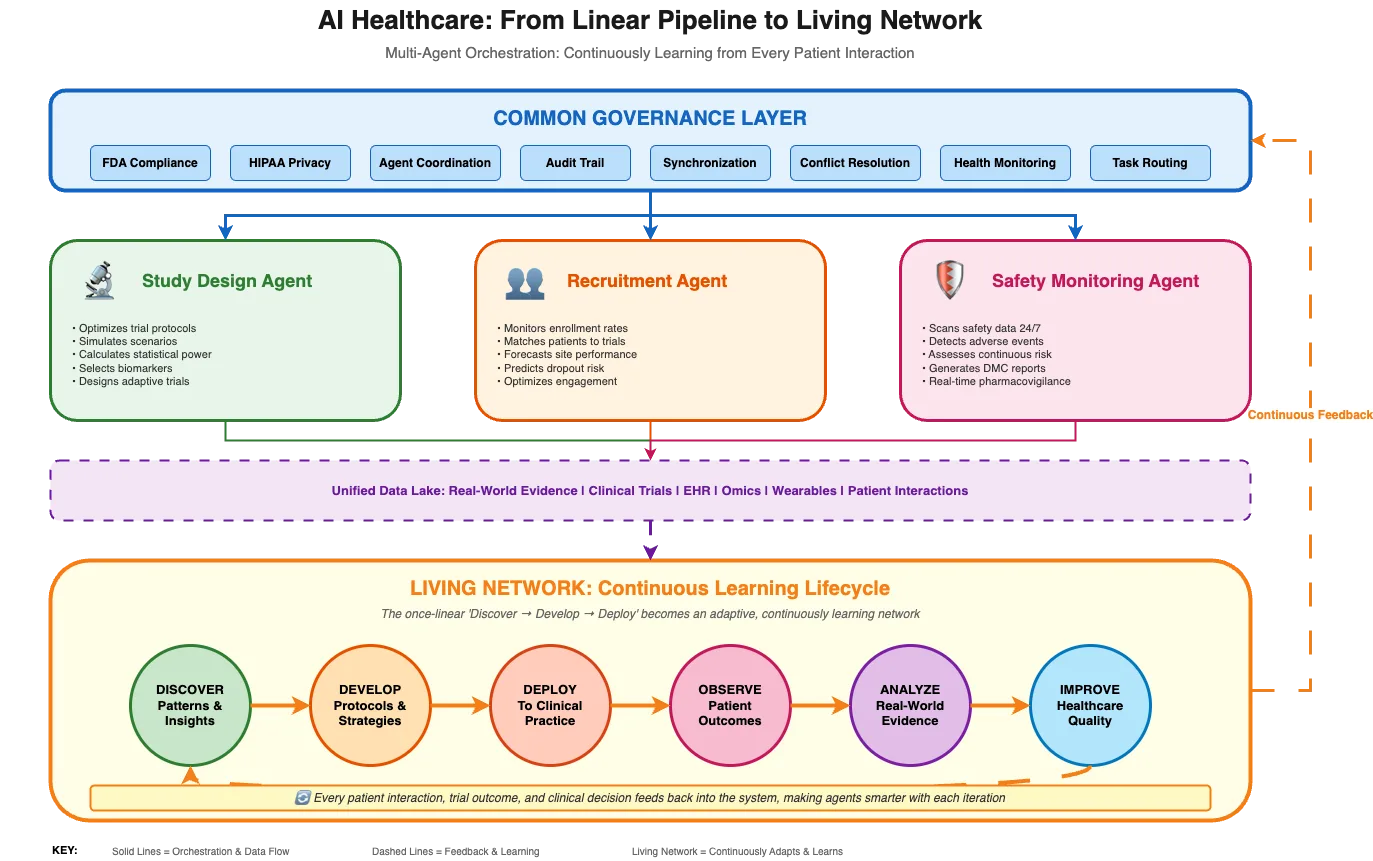
We’ll see multi-agent orchestration across the lifecycle: one agent optimizing study design, another monitoring recruitment, another scanning safety data, all coordinated through a common governance layer. The once-linear process of “discover, develop, deploy” will look more like a living network, continuously learning from every patient interaction and trial outcome. A major enabler of that future is interoperability — the ability for AI systems to speak the same language as electronic health records, devices, and other agents in the ecosystem. Emerging projects on the HL7 FHIR AI/ML Chat channel are exploring exactly that. The goal is “conversational interoperability,” where a clinical AI agent can reason across systems through shared FHIR data structures instead of proprietary APIs.
Partnerships will become essential. No single player — not even the giants — can own the entire stack. Collaborations like Sanofi’s investment in QuantHealth, show how data, domain expertise, and AI talent must converge to build truly intelligent systems.
At Roche, subsidiary Flatiron Health has built one of the largest oncology real-world data ecosystems in the world, harmonizing de-identified EHR data from over 3 million patients across 800 sites. These continuously refreshed data streams feed directly into Roche’s clinical development programs, shortening evidence-generation timelines and improving patient-matching in oncology trials (Roche Annual Report 2024).
Most importantly, the human layer will remain central. AI may accelerate drug discovery and streamline care delivery, but empathy, judgment, and ethical reasoning will always be human terrain. The goal isn’t to replace clinicians or scientists; it’s to give them superpowers.
Why AI in Healthcare Matters Now
We are standing at the threshold of a once-in-a-generation transformation. The Menlo Ventures report notes that healthcare is setting the pace for enterprise AI adoption. Life sciences may still trail providers in maturity, but the urgency is universal. Costs are rising, patient expectations are shifting, and the traditional R&D model is unsustainable.
AI offers a way out — not through magic but through mastery: mastering data quality, model governance, and responsible deployment. The organizations that succeed will be those that blend scientific rigor with digital agility, turning clinical trials from static projects into adaptive learning systems.
If we get this right, the ripple effect will be profound: faster cures, more inclusive research, and healthcare that feels less like an institution and more like an ally.
The future of medicine is arriving — one algorithm, one dataset, and one patient at a time.